
Empowering Education Through Waqf: Unlocking a Future of Knowledge
Education is the cornerstone of progress and empowerment, enabling individuals to realize their potential and contribute meaningfully to society. In the Islamic tradition, the concept of Waqf provides a powerful means to support and sustain educational endeavors. This blog post delves into the transformative impact of supporting education with Waqf, exploring how this noble practice can unlock a future of knowledge, empowerment, and social upliftment.
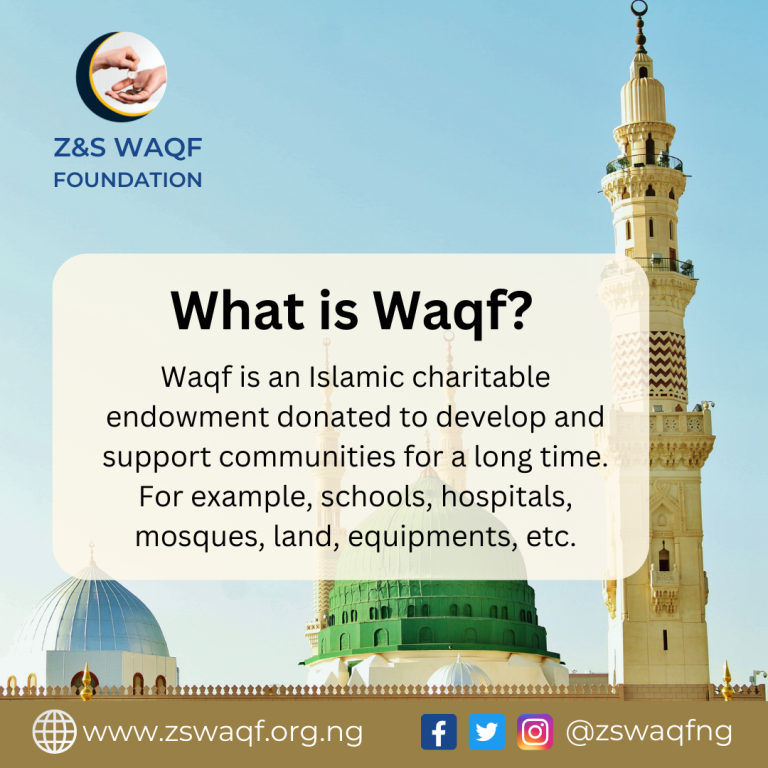
- The Power of Waqf, A Legacy of Learning: Waqf, an Islamic endowment, has historically played a significant role in supporting education. By dedicating assets such as land, buildings, or funds to educational institutions, individuals and communities create a perpetual legacy of learning. The income generated from Waqf properties can sustain educational initiatives, scholarships, and infrastructure development, ensuring continuous access to quality education for generations to come.
- Establishing Educational Institutions, A Foundation for Success: Waqf can be instrumental in establishing educational institutions, such as schools, colleges, and universities. By allocating Waqf resources to build and maintain these institutions, communities create vibrant centers of learning that cater to the educational needs of their members. These institutions not only provide academic knowledge but also cultivate values, critical thinking skills, and social awareness, empowering individuals to become agents of positive change.
- Scholarships and Grants, Access to Education for All: One of the most impactful ways to support education with Waqf is through scholarships and grants. By designating a portion of Waqf funds for educational assistance, communities can provide opportunities for talented and deserving individuals who may lack the financial means to pursue their studies. Scholarships and grants alleviate the burden of educational expenses, enabling students to focus on their academic pursuits and unlock their full potential.
- Infrastructure Development, Creating Learning Spaces: Waqf can also be utilized to develop and maintain educational infrastructure. By allocating Waqf resources to construct classrooms, libraries, laboratories, and other facilities, communities create conducive learning environments. These spaces inspire curiosity, foster creativity, and enhance the overall educational experience, ensuring that students have access to the necessary resources for holistic development.
- Educational Endowments, Sustaining a Legacy of Learning: Creating educational endowments through Waqf is a strategic way to ensure long-term support for education. By dedicating a portion of assets or funds to the perpetual benefit of educational institutions, communities establish a sustainable mechanism for funding education. The income generated from these endowments can be utilized for scholarships, infrastructure maintenance, faculty development, and educational initiatives, fostering a lasting impact on education.
Conclusion: Supporting education with Waqf is a noble endeavor that holds immense potential to transform lives and communities. By establishing educational institutions, providing scholarships, developing infrastructure, and creating educational endowments, Waqf enables individuals to access quality education and unlock their full potential. It is through these sustained efforts that societies can foster knowledge, empowerment, and social upliftment, building a future where education is a fundamental right for all. Embracing the power of Waqf, we can pave the way for a brighter, more inclusive world driven by the transformative force of education.